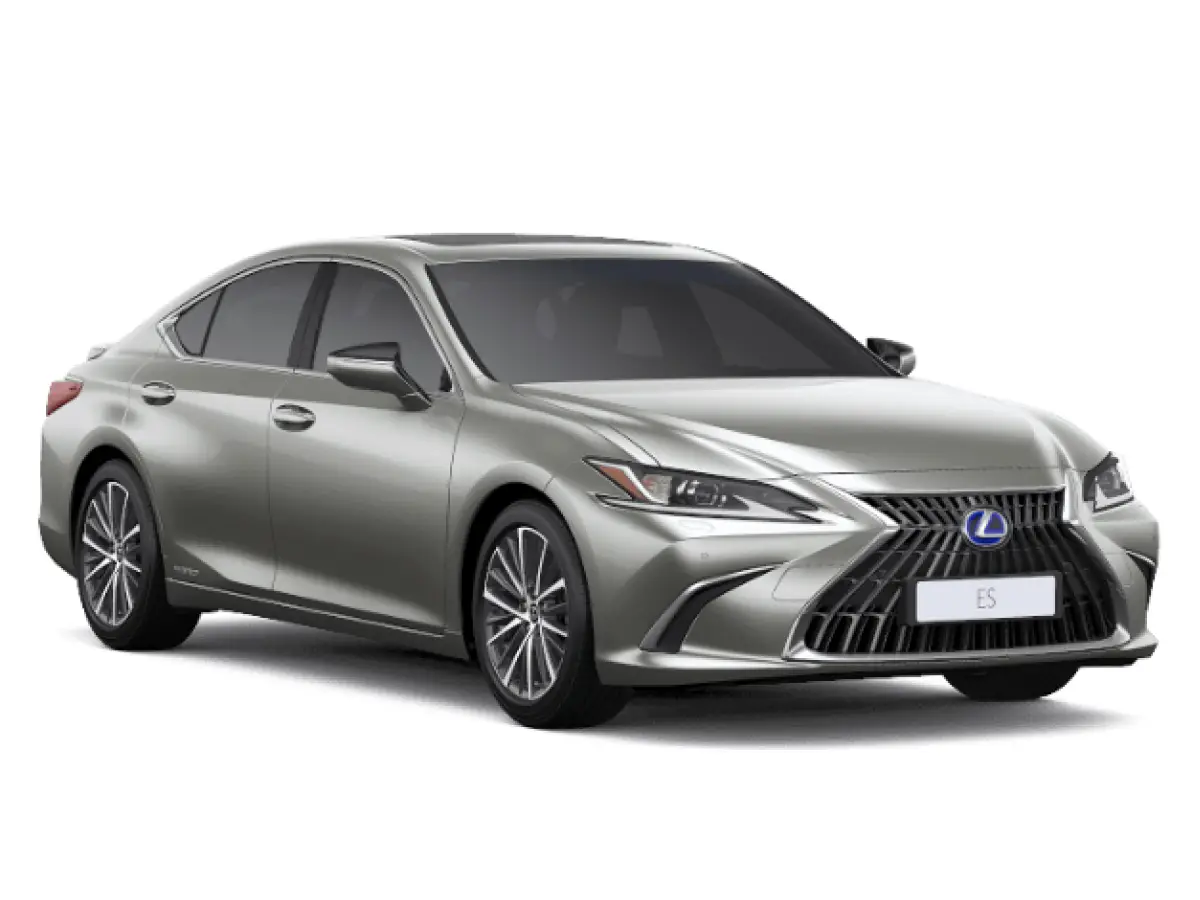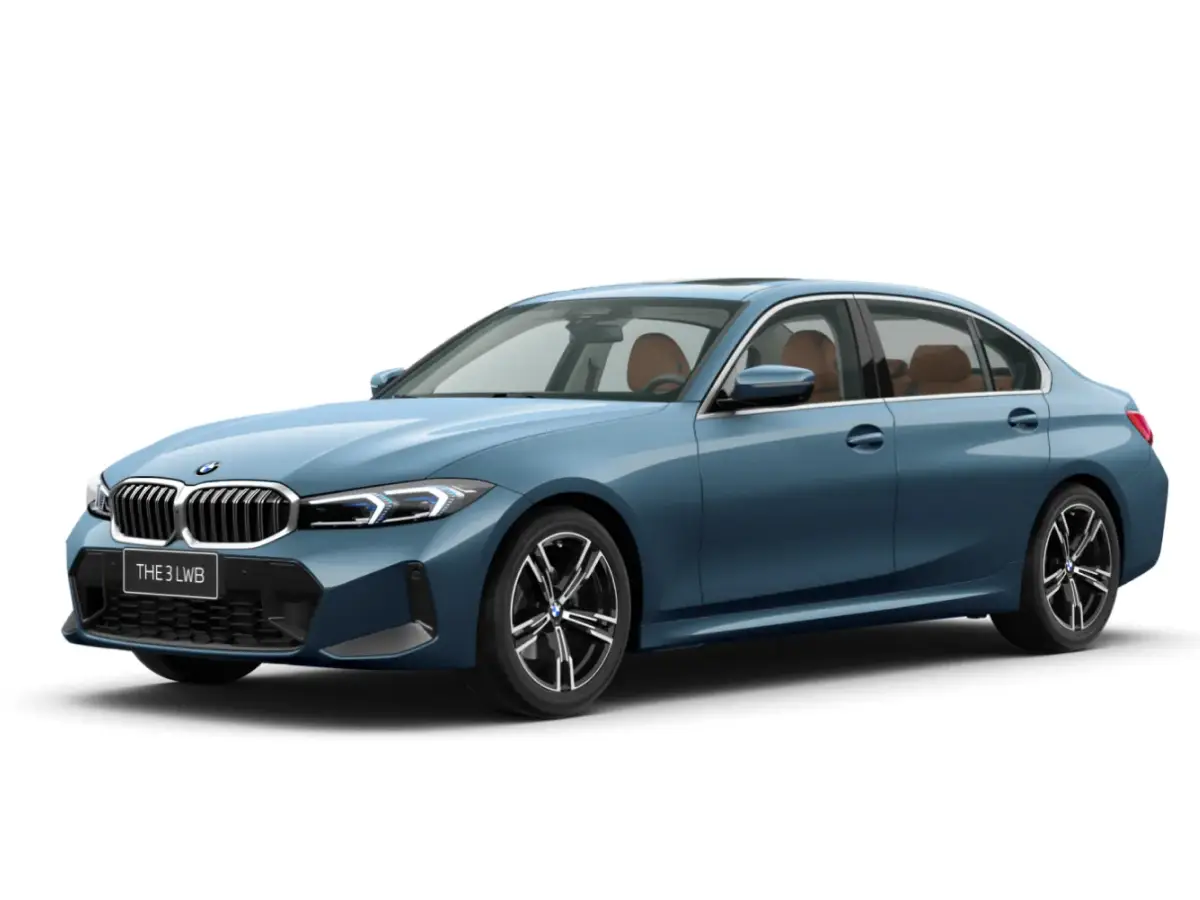

























Let's compare Lexus ES 300h Exquisite Hybrid vs BMW 3 Series LWB 320LD M Sport

Compare Lexus ES 300h Exquisite Hybrid vs BMW 3 Series LWB 320LD M Sport price, specifications, mileage, features and performance to find the best car for you.
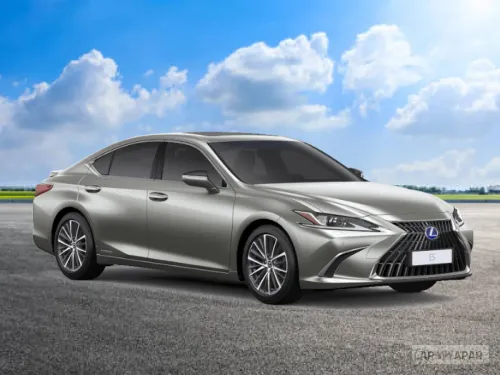
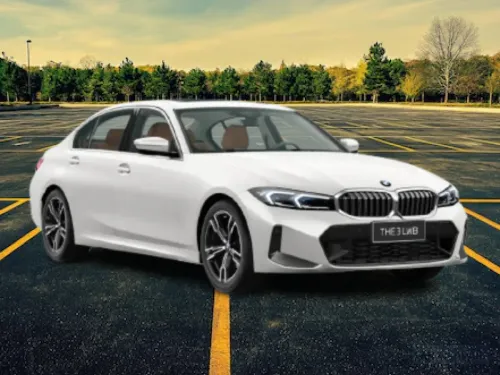
Lexus ES 300h Exquisite Hybrid
Lexus ES
BMW 3 Series LWB 320LD M Sport
BMW 3 Series LWB
Car comparison placeholder
Here is a detailed comparison of price:

Lexus ES 300h Exquisite Hybrid

Price

₹ 70.98 Lakh

On-Road Price New Delhi

EMI

₹ 1.31 Lakh/month

BMW 3 Series LWB 320LD M Sport

Price

₹ 69.85 Lakh

On-Road Price New Delhi

EMI

₹ 1.29 Lakh/month

From the above comparison, we can conclude that BMW 3 Series LWB feels light on the pocket compared to Lexus ES by ₹1,12,894.

Dimensions & Seating

Body Type

Sedan

Sedan

Length

4975 mm +152

4823 mm

Width

1865 mm +38

1827 mm

Height

1445 mm +4

1441 mm

WheelBase

2870 mm

2961 mm +91

Ground Clearance

150 mm +14

136 mm

Seating Capacity

5

5

Fuel Tank Capacity

50 Liters

59 Liters +9

Boot Space

454 Liters

480 Liters +26

Engine & Transmission

Fuel Type

Petrol

Diesel

Mileage (KMPL)

22.5 Km/l +2.89

19.61 Km/l

Range

1129 Kms +65

1064 Kms

Engine Type

2.5l A25a-Fxs I4 Hybrid

Twinpower Turbo

Powertrain Assistance

Strong Hybrid

Mild Hybrid

Emission Standards

Bs Vi

Bs Vi

No. of Cylinders

4

4

Displacement

2487 cc +489

1998 cc

Max Power

176 bhp @ 5700-5200 rpm

188 bhp @ 4000 rpm +12

Max Torque

221 Nm @ 3600-5200 rpm

400 Nm @ 1550-4400 rpm +179

Transmission Type

MT

AT

Gear Box

6 eCVT

8 Speed

Drive Type

FWD

RWD

Top Speed

180

250 +70

Steering and Suspension

Tilt Adjust

Yes

Yes

Telescopic Adjust

Yes

Yes

Turning Radius

5.9

5.9

Front Suspension

MacPherson Strut

--

Rear Suspension

Double-wishbone

--

Front Brakes

Disc

--

Rear Brakes

Disc

--

Safety & Security

Airbags

10 +2

8

Seatbelt Warning

Yes

Yes

Over Speeding Warning

Yes

Yes

Anti-lock Braking System

Yes

Yes

ESP

Yes

Yes

Brake Assist

Yes

Yes

Tyre Pressure Monitor System

Yes

Yes

Reverse Camera

Yes

Yes

360 Camera

Yes

Yes

Hill Assist

Yes

Yes

Hill Descent Control

No

No

Child Lock

Yes

Yes

Isofix Child Seat Mount

Yes

Yes

Engine Immobilizer

Yes

Yes

ADAS

Yes

No

Comfort & Convenience

Power Windows

Front And Rear

Front And Rear

ORVM Adjustment

Electric

Electric

Request Sensors

Yes

Yes

Push Button Start

Yes

Yes

Cruise Control

Yes

Yes

Keyless Entry

Yes

Yes

Steering Mounted Control

Yes

Yes

Climate Control

Automatic

Automatic

Rear AC Vents

Yes

Yes

Adjustable Steering Column

Yes

Yes

Interior Features

Upholstery

Leather

Leather

Adjustable Front Seats

Yes

Yes

Height Adjustable Driver Seat

Yes

Yes

Rear Armrest

Yes

Yes

Rear Cup Holders

Yes

Yes

Front Cup Holders

Yes

Yes

Cooled Glovebox

Yes

Yes

Exterior Features

Sunroof

Panoramic

Panoramic

Wheels

Alloy

Alloy

Fog Lights

Yes

No

Tyre Size

235 / 45 R18

225 / 45 R18

Daytime Running Lights

LED

LED

Headlight Type

Projector Led

Projector Led

Tailgate

Electric With Gesture

Electric

Roof Rails

No

No

Rear Wiper

No

No

Infotainment & Telematics

Touch Screen

Yes

Yes

Screen Size

12.3 inch

12.3 inch

USB Port

Yes

Yes

Navigation System

Yes

Yes

Speakers

10

16

Remote App Control

Yes

Yes

Wireless Charging

Yes

Yes

Smartphone Connectivity

Yes

Yes

Telematics

Analogue-Digital

Digital

Connectivity & Internet

USB Port

Yes

Yes

Navigation

Yes

Yes

Smartphone Connectivity

Yes

Yes

Lexus ES Vs BMW 3 Series LWB Colors
Lexus ES Sonic Titanium

Sonic Titanium

BMW 3 Series LWB ARCTIC RACE BLUE METALLIC

ARCTIC RACE BLUE METALLIC

Lexus ES Sonic Titanium

Sonic Titanium

BMW 3 Series LWB ARCTIC RACE BLUE METALLIC

ARCTIC RACE BLUE METALLIC

Lexus ES Vs BMW 3 Series LWB Expert Opinions
Design and Aesthetics
Features and Specifications
After Sales Support
Brand Value
Resale Value
Likes
Dislikes
Design and Aesthetics
Features and Specifications
After Sales Support
Brand Value
Resale Value
Likes
Dislikes
Lexus ES Vs BMW 3 Series LWB FAQs

The Lexus ES is priced at around ₹64 lakh to ₹69.7 lakh (ex-showroom). For many, it sits in that sweet spot where you’re not spending Ferrari money, but you still want to walk into a hotel porch and see the valet treat your car like royalty.

The ES has been around globally since the late ’80s, but the latest generation, the ES 300h, was launched in India in 2017 and has since seen updates. The recent update happened in April 2025.

Being a hybrid, the Lexus ES offers around 22 kmpl in real-world driving. At today’s petrol price of ₹102 per litre, that works out to about ₹4.6 per km. For a luxury sedan of this size, that’s almost scandalously frugal.

The Lexus ES measures 4975 mm in length, 1865 mm in width, and 1445 mm in height. That’s roughly 4.9 meters long, which makes it a full-size executive sedan, perfect for wide city avenues and highways, but maybe a little too generous for those tight Old Delhi lanes. Its wheelbase of 2870 mm ensures massive legroom at the back, which is why so many buyers prefer to sit in the rear with a chauffeur up front.

The ES has 454 liters of boot space. That’s enough for two large suitcases and a couple of soft bags, perfect for a weekend getaway or even an airport run for business travel. Not the largest in class, but enough for practical luxury living.

The ES comes with Lexus Safety System+, which packs in adaptive cruise control, lane-keeping assist, blind-spot monitoring, and a host of airbags. Safety ratings globally have been strong, and Lexus’s build quality is known for being over-engineered. Think of it as Toyota reliability but dressed up for an art gallery.

Lexus offers a 3-year/100,000 km warranty, extendable at extra cost. Service intervals are usually annual or 10,000 km. Being a hybrid, it’s gentler on brakes and the engine, so long-term maintenance is cheaper than you’d expect for a luxury car. But yes, Lexus service centers are fewer in India compared to German rivals, so you’ll need to be okay with a slightly limited network.

If you’re the type who likes to glide through traffic instead of fight it, if you want your car to whisper while others roar, the ES is your sanctuary. It appeals to those who want understated luxury, absolute comfort, and the smugness of saving fuel without looking like they compromised. If you’re looking for brute performance, maybe stick to a BMW 5 Series, but if you want peace with a touch of Zen, this is your ride.

The Lexus ES 300h runs on a 2.5-litre Atkinson-cycle 4-cylinder petrol engine paired with an electric motor, producing a combined 218 hp. It’s mated to an e-CVT gearbox, which basically means buttery smooth drives without jerky gearshifts. This isn’t the car for drag racing, but it will make every airport run feel like a spa appointment.

The ES goes from 0 to 100 km/h in around 8.9 seconds. Not exactly sports-car territory, but fast enough to leave autos and compact SUVs eating dust when you press down gently. Its top speed is capped at 180 km/h, which in India is more than enough, unless you’re planning to chase fighter jets on a runway.

The ES offers 151 mm of ground clearance. For an executive sedan, that’s decent. You’ll clear most city speed breakers if you take them slow, but no, this is not your Leh-Ladakh companion. Treat it like the luxury lounge it is.

With a wheelbase of 2870 mm, the rear legroom is massive. Tall executives will love the space to cross their legs comfortably while scrolling emails.

Let’s assume you drive about 12,000 km a year. With a real-world mileage of 22 kmpl, you’ll use about 545 liters of fuel annually, which at ₹102 per litre equals roughly ₹55,600 per year on fuel. Add insurance (₹1.2–1.5 lakh yearly), servicing (~₹25,000–35,000 yearly), and you’re looking at around ₹10–11 lakh total for 5 years of ownership, excluding road tax. For luxury this plush, that’s ridiculously low running cost.

The 2025 facelift BMW 3 Series Long Wheelbase (LWB) starts from ₹63.90 lakh ex-showroom, for the petrol 330Li M Sport variant. Diesel variants (320Ld M Sport / M Sport Pro) are priced slightly lower or around that range, with some petrols slightly higher depending on state taxes.

Petrol 330Li M Sport uses a 2.0-litre twin-turbo petrol motor producing ~ 258 bhp (≈ 254-258 PS) and 400 Nm torque. Diesel 320Ld variants produce ~ 190 PS with similar torque (~400 Nm).

Diesel variant is claimed to be better in term of mileage; some reports suggest ~ 19.6 kmpl for the diesel engine in mixed driving. Petrol will be lower; real-world mixed driving probably ~ 12-15 kmpl or less, depending on traffic.

1. Routine service (oil, filters, inspections): likely ₹ 40,000-80,000+ depending on variant and usage. Diesel tends to cost a bit more due to diesel-specific components. Major servicing, tyres, brakes etc will add extra. Premium tyres and performance brakes cost more. 2. Insurance for this sedan will be fairly high because of its luxury status: potentially ₹ 1-1.5 lakh/year or more depending on city, driver profile, and cover. 3. Extended service/warranty packages exist (BMW’s Service Inclusive etc) which help reduce surprises; check these when buying.

1. Standard safety: 6 airbags, ABS, Dynamic Stability Control (DSC), Cornering Brake Control (CBC), ISOFIX mounts for child seats. 2. Also equipped with blind-spot detection, collision warning, attention assistance, driving assistant package (Level-2 ADAS elements) like rear-cross traffic warning.

1. Length ~ 4,819 mm, wheelbase ~ 2,961 mm. That gives spacious rear legroom. 2. Boot space is good (similar to shorter 3 Series), but more relevant is rear-seat comfort. If someone is going to use it as chauffeur-driven or carry rear passengers often, this shines. For solo driving in tight parking spaces, you’ll have to adapt.

Yes, with caveats: Petrol version’s fuel cost will be high in stop & go traffic, diesel helps here. Parking big sedan requires space; reversing camera, sensors and surround view help. Speed breakers and potholes need care because of long wheelbase / low under-body clearance. Service centres, parts cost more than non-luxury sedans.

Luxury sedans do depreciate notably, especially as new models and variants arrive. Diesel vs petrol trend: diesel engines may face heavier regulation / higher running cost (fuel/diesel price), which can affect resale. Petrol might retain value better depending on usage.
*Ad Advertisement banner