
















Tata Safari Goes on a Petrol Diet. Big SUV, Smaller Engine, Bigger Questions
By CarWyapar • Published on 10 Feb 2026There was a time when the word Safari carried weight, both in metal and meaning. Ladder frame chassis, rear wheel drive, tall stance, and that Storme ...
/SafariPure O 1.webp)
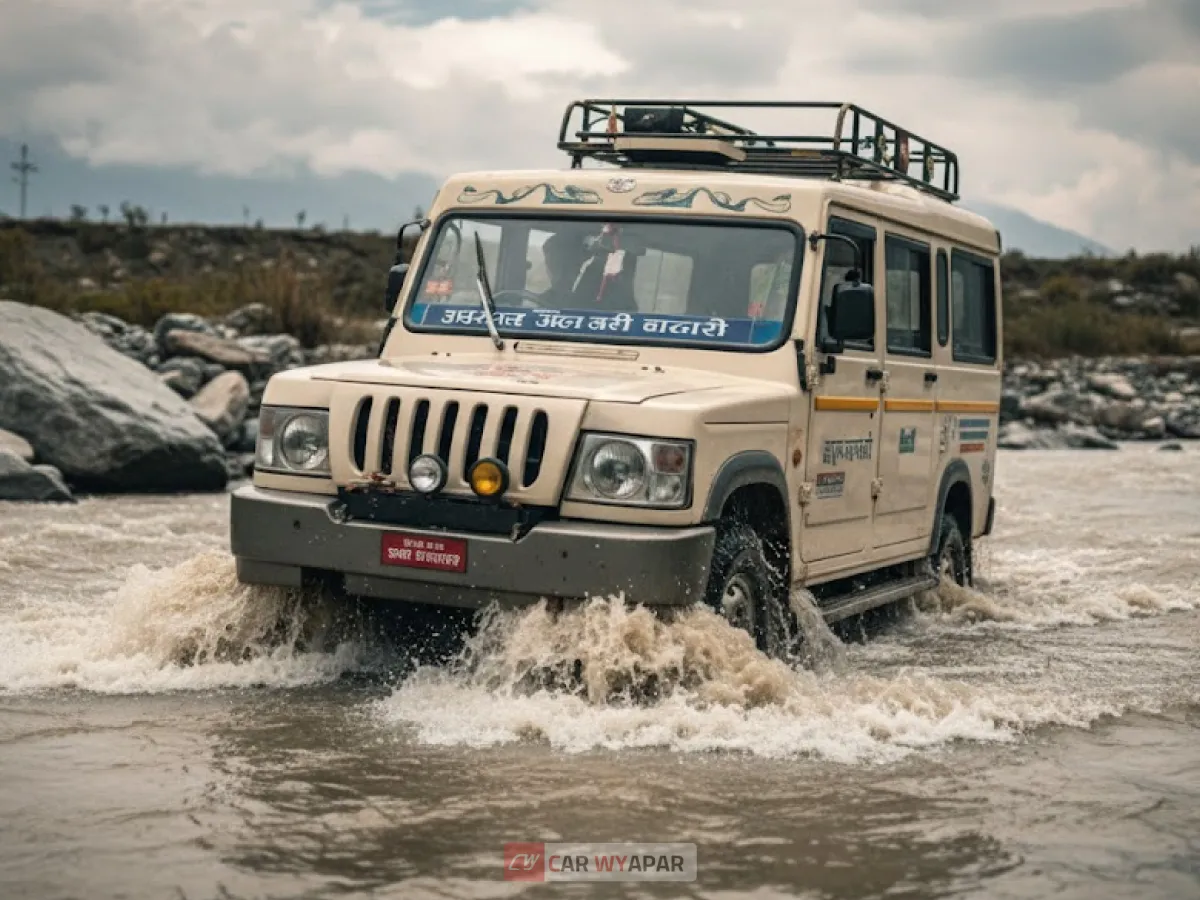
There was a time when the word Safari carried weight, both in metal and meaning. Ladder frame chassis, rear wheel drive, tall stance, and that Storme badge that looked ready for bad roads and worse ideas. For SUV lovers, the Safari Storme felt like a proper old school brute. Big body, RWD layout, and a diesel that loved long highways more than traffic lights. Then came the switch. The ladder frame went out, monocoque came in, RWD made way for FWD, and for many enthusiasts, that moment felt like a quiet heartbreak. Not dramatic, just that slow realisation that an era had ended.
But business rarely runs on emotion. Roads are better now, cities are crowded, and most buyers never leave tarmac. A rear wheel drive setup makes sense only when you actually use it, and truth be told, most Safaris never did. Tata’s move to a front wheel drive monocoque platform was not betrayal, it was survival. With the 2.0 litre Kryotec diesel, the current Safari still puts out around 170 PS, way more than the Storme ever did. The old Storme made roughly 156 PS and about 400 Nm of torque which was strong in its own way but clearly from a different time. The new Safari may lack that rugged ladder frame charm, but in real world driving, it is quicker, more stable, and far easier to live with. Capability did not vanish, it simply changed shape. It traded raw toughness for usable strength.
 The 1.5-Litre TGDi Hyperion Petrol Engine
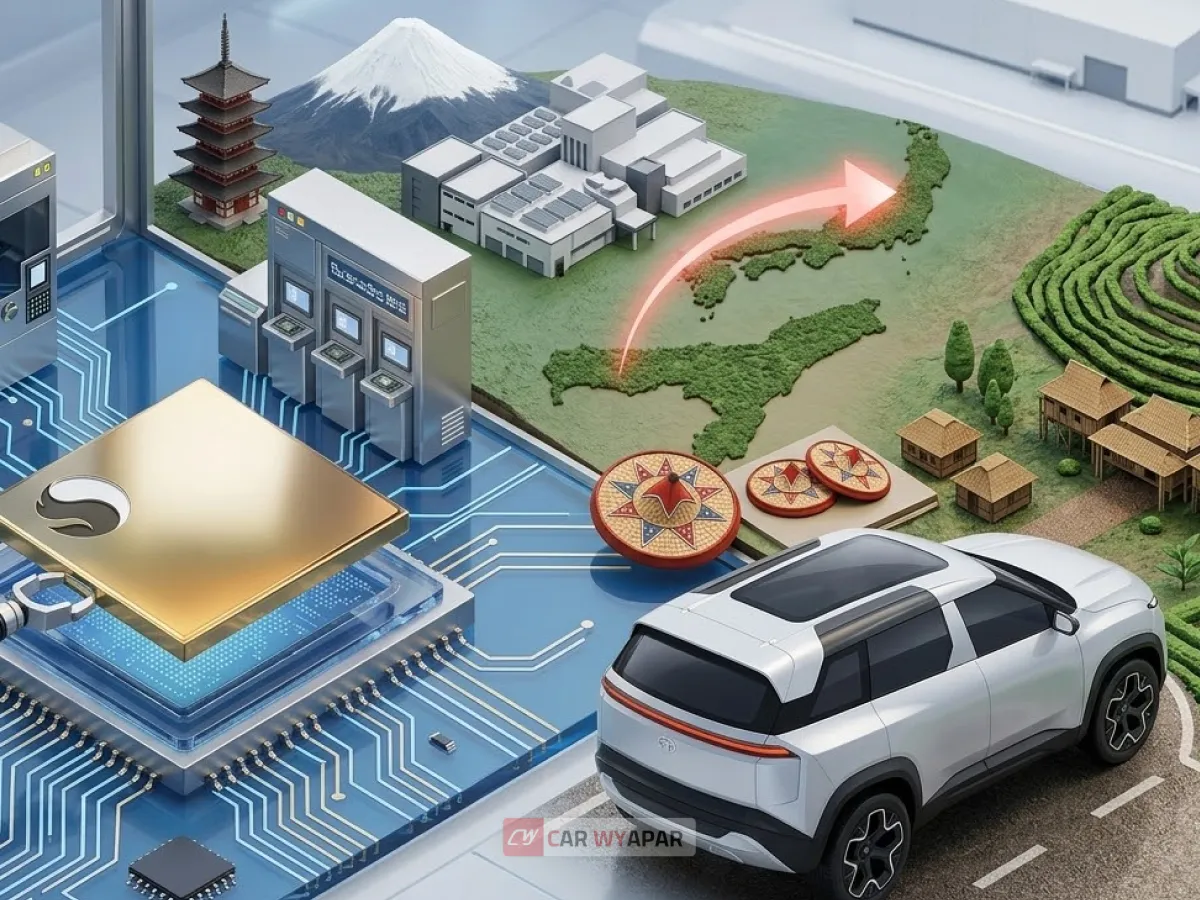
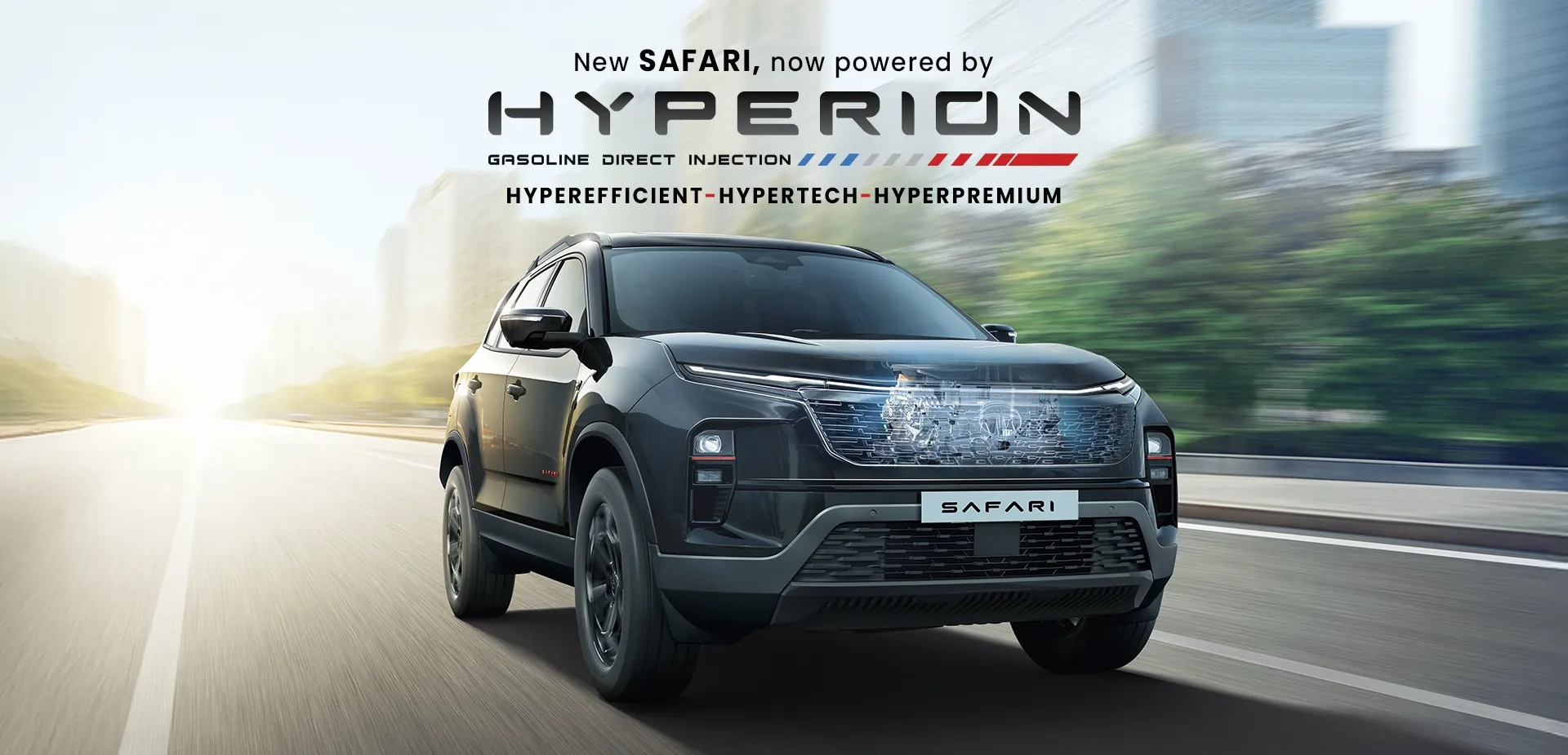
Tata’s new 1.5-litre TGDi Hyperion petrol engine first hit the scene on the Tata Sierra toward the end of 2025, marking a big deal for the brand because it was the first time this in-house developed turbo petrol unit was introduced in Tata’s SUV lineup. Starting from Sierra, and now also powering the Safari petrol and Harrier petrol, it’s hardly a half-baked transplant. Tata says they pushed this engine through more than 15 lakh kilometres of testing, including real-world roads and controlled lab conditions across heat, cold, altitude and endurance trials before it reached customers. This testing grind is serious effort to make it reliable for everyday use.
The Hyperion engine on Sierra makes roughly 158 PS of power and 255 Nm of torque, and gives Sierra enough pep to hit high speeds and return good efficiency figures under test conditions. On Safari and Harrier it’s tuned up a bit higher to around 170 PS and 280 Nm, roughly matching the power of the 2.0-litre diesel but with petrol-friendly smoothness.
Tata put this petrol heart into its big SUVs because petrol remains the default choice for many Indian buyers, fuel access is easier, refinement matters in cities, and emissions rules are tighter than ever. The Hyperion’s broad torque band, modern direct injection and turbocharging aim to give respectable performance and usable driveability, while opening doors to buyers who never jumped on the diesel bandwagon before.
Is Safari Petrol Underpowered?
If a smaller car like the Sierra uses this 1.5 litre petrol engine, and similar size engines are seen in cars like the Grand Vitara and Creta, does it really make sense to put the same idea into a big SUV like the Safari? Absolutely yes. Engine size alone stopped being the full story years ago. What matters now is turbocharging, torque spread, gearing, and how the engine delivers power in real driving. This 1.5 turbo petrol makes strong mid range torque, which is exactly where a family SUV lives, overtakes, climbs flyovers, cruises highways. A bigger cc engine with poor tuning can feel lazy, while a smaller turbo motor can feel sharp and capable. Look at the Renault Duster, it used a 1.3 litre turbo petrol and still competed well with larger engines in the mid size SUV space against Seltos and others. The Safari petrol follows the same logic. It is not built for towing trucks or rock crawling fantasies, it is built for modern roads, loaded cabins, and smooth long drives. In that context, calling it underpowered misses the point. Power delivery matters more than engine size, and Tata seems to have understood that clearly.