




























Kia Carens Clavis EV Review: Who Should Buy It
By Nitesh Yadav • Published on 20 Sept 2026The best buyer for the Kia Carens Clavis EV is a family that has parents, grandparents and children, uses the car mostly in the city, and occasionally...
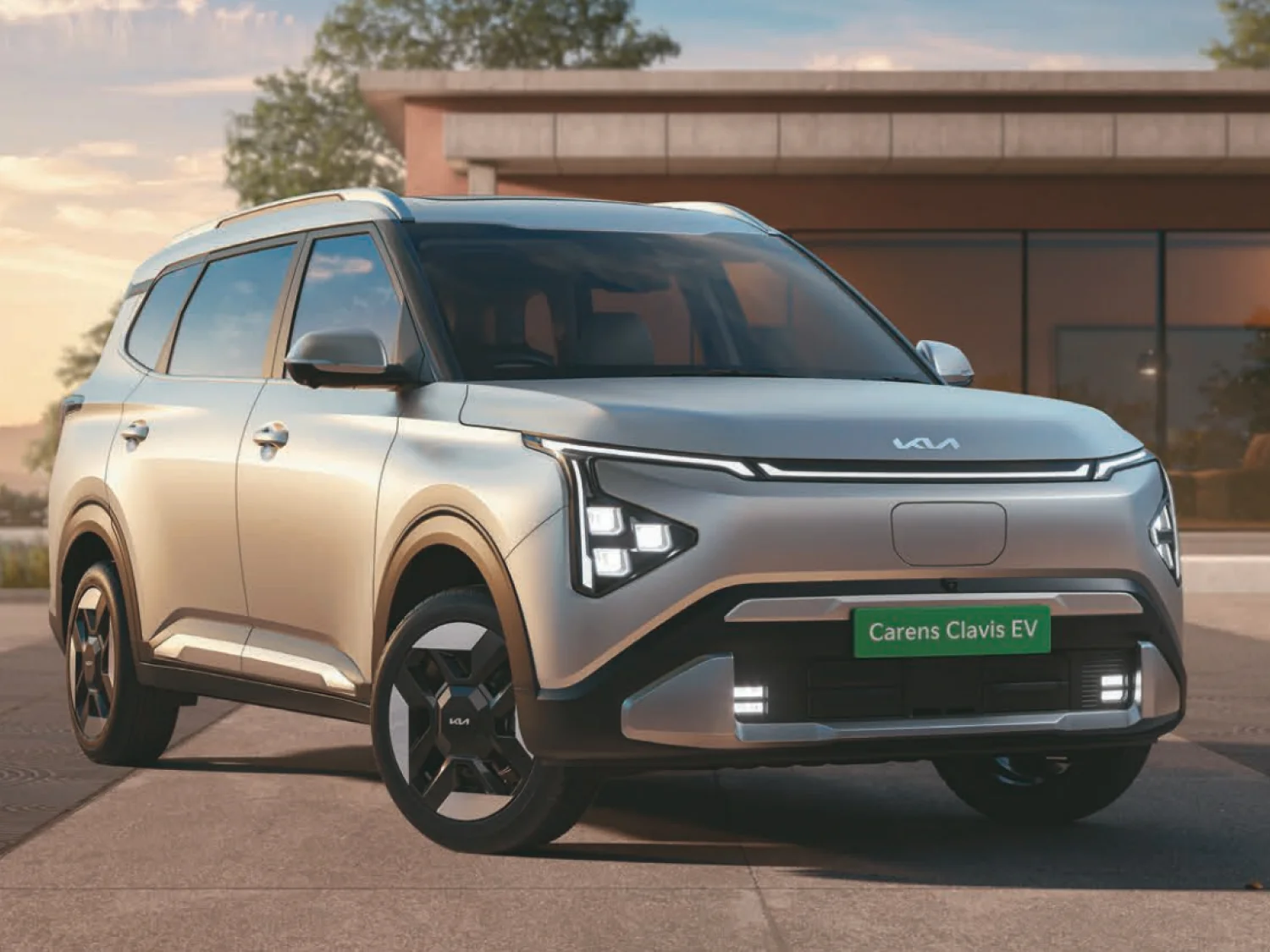
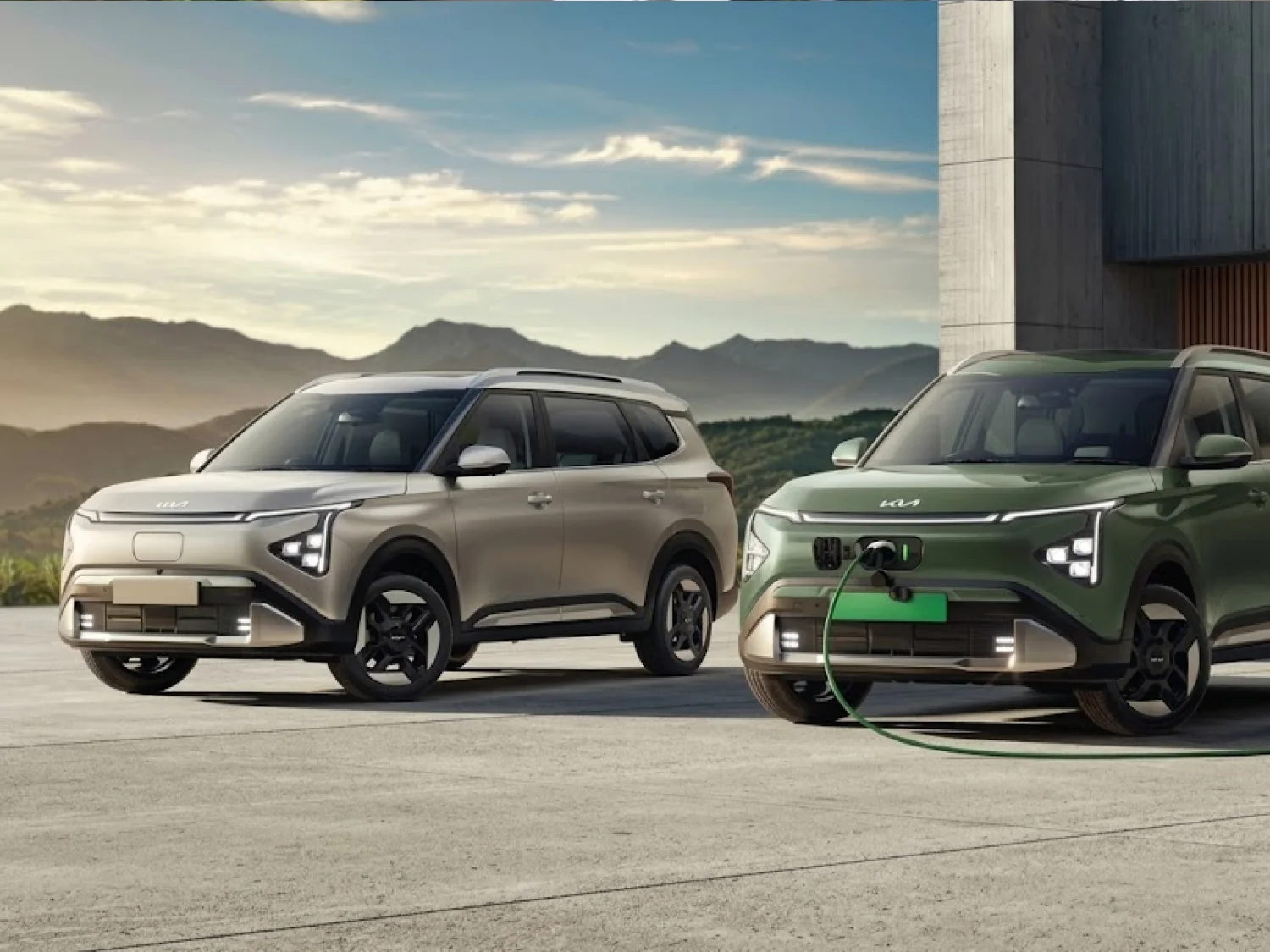
The best buyer for the Kia Carens Clavis EV is a family that has parents, grandparents and children, uses the car mostly in the city, and occasionally packs everyone in for a highway trip. That is where the Clavis EV makes a lot of sense. You get 6 or 7 seats, a spacious cabin, easy electric driving, low running costs and enough range for occasional travel. Add Kia's new 15-year unlimited-kilometre battery capacity warranty for the first owner, and one of the biggest worries around long-term EV ownership becomes much easier to deal with.
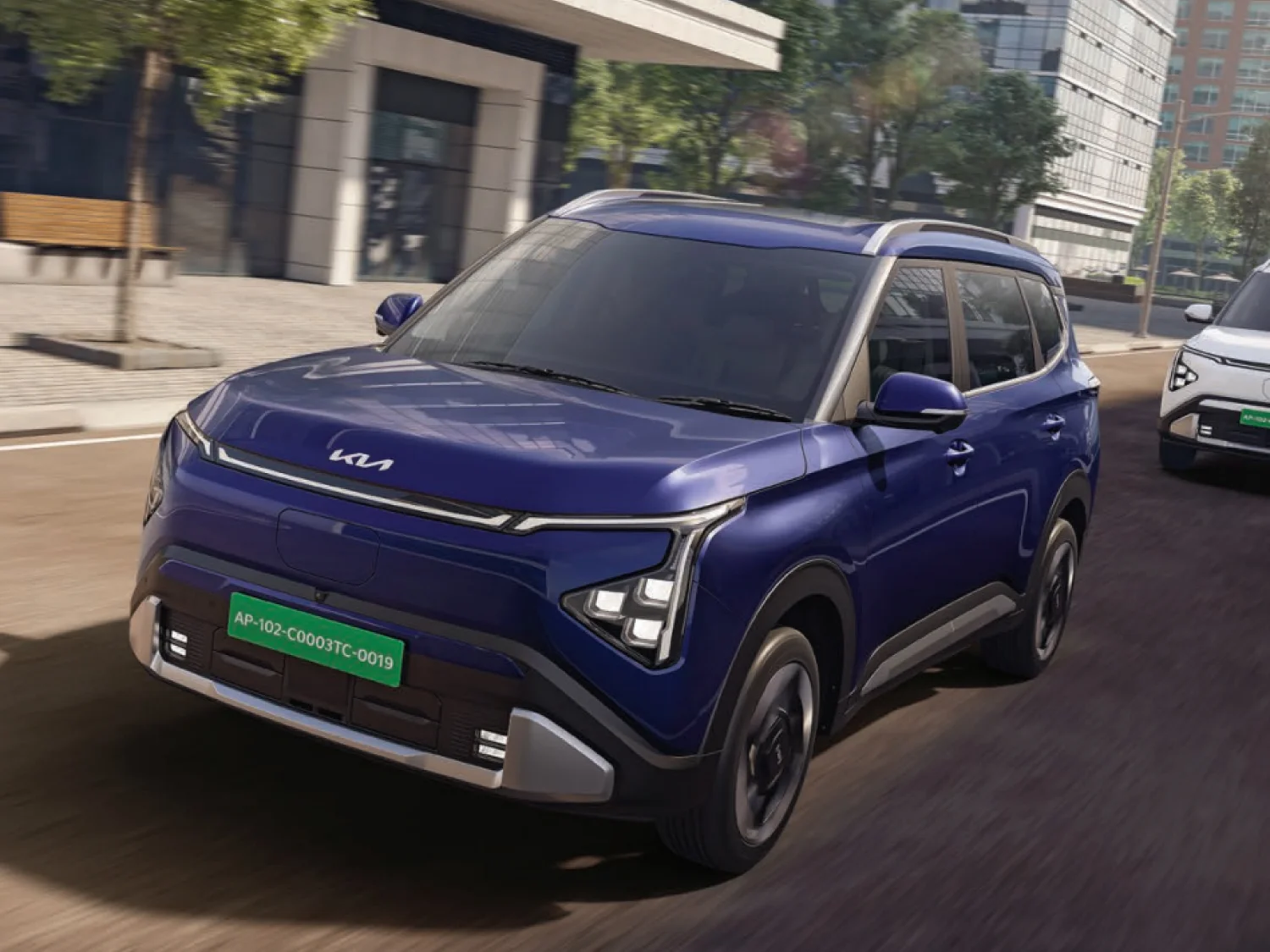
Who Should Buy the Kia Carens Clavis EV?
Buy the Clavis EV if your family looks something like this:
Parents + grandparents + kids + mostly city driving + occasional road trips.
The three-row layout is the biggest reason to consider it. The 7-seater gets a conventional second-row bench, while selected variants also offer a 6-seat configuration with captain seats. Kia says both seating layouts are available with the 42kWh and 51.4kWh batteries on relevant variants.
For a family, the EV powertrain also works nicely in daily traffic. There is no gear shifting, no clutch work and no engine vibration. You simply select Drive and go.
And if most of your charging happens at home, the running cost can be considerably lower than a petrol MPV.
Carens Clavis EV and Creta Electric Share More Than You Think
Here is the interesting bit.
The Kia Carens Clavis EV and Hyundai Creta Electric are closely related under the skin. They share the same basic electric powertrain architecture, including the 42kWh and 51.4kWh lithium-ion NMC battery options and front-mounted electric motors. The 42kWh version makes around 135hp, while the 51.4kWh Extended Range version makes around 171hp.

The Clavis EV actually gets slightly higher claimed range figures:
|
Specification |
Clavis EV |
Creta Electric |
|---|---|---|
|
Standard battery |
42kWh |
42kWh |
|
Extended battery |
51.4kWh |
51.4kWh |
|
Standard range |
404km |
390km |
|
Extended range |
490km |
473km |
|
Drive |
Front-wheel drive |
Front-wheel drive |
|
Motor |
Single motor |
Single motor |
The important point for a buyer is that Kia is not developing an entirely unknown battery and motor setup for the Clavis EV. It is part of the Hyundai Motor Group's existing EV technology family.
Who Makes the Battery?
The battery cells are understood to come from HLI Green Power, a joint venture between Hyundai Motor Group and LG Energy Solution, with the battery packs using NMC chemistry. The cells are associated with HLI Green Power's battery production operation in Indonesia.
That matters because the battery is the most expensive component of an EV.
You do not want your ₹20 lakh-plus family car to depend on some mysterious battery supplier that appears on the internet only when someone needs a press release.
The Clavis EV's battery system is tied to a major global battery manufacturer and Hyundai Motor Group's EV ecosystem. The packs are also liquid-cooled and Kia says they have undergone water immersion testing, with an IP67 rating for the battery pack.
And Then There Is the 15-Year Battery Warranty
This is arguably the most important ownership story around the Clavis EV.
For first owners, Kia now provides lifetime high-voltage battery capacity coverage, defined as 15 years with unlimited kilometres, if the battery's usable capacity falls below 70% of its original capacity. The updated coverage applies to Clavis EVs retailed from August 1, 2026.
There is an important condition:
It is a first-owner warranty.
For a second owner, the battery capacity warranty is 8 years or 160,000km, whichever comes first. Commercial use such as taxi or tourist operations also gets 8 years or 160,000km rather than the 15-year first-owner coverage.
So if you plan to buy the Clavis EV and keep it for 10 to 15 years, the warranty is particularly relevant.
It does not mean the battery will magically remain at 100% capacity for 15 years. It means Kia has committed to warranty coverage if capacity drops below the specified 70% threshold.
That distinction matters.
Kia Carens Clavis EV HTX vs Petrol HTX
Now comes the more practical question.
Should you buy the Clavis EV HTX or the petrol Clavis HTX?
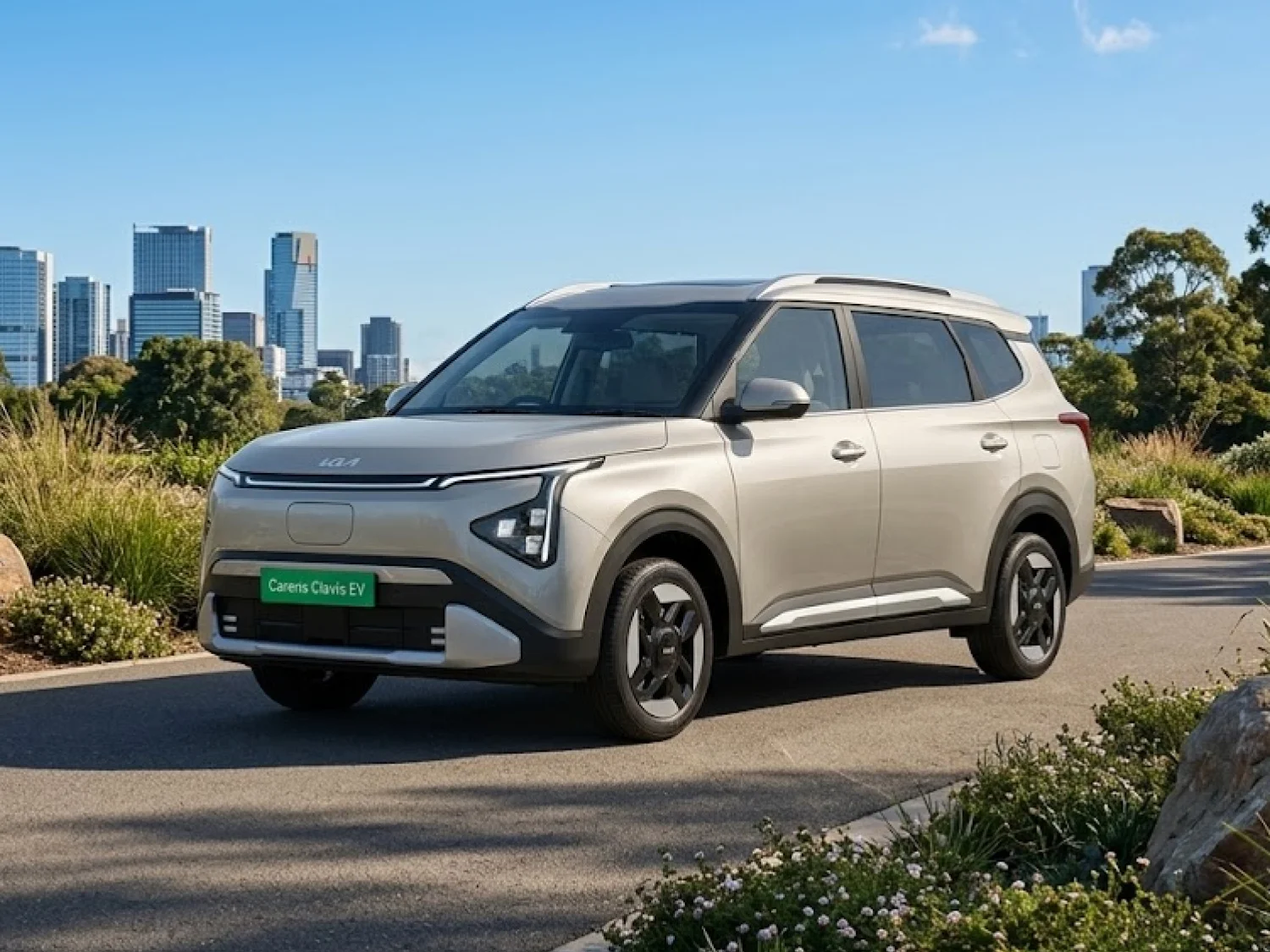
The current Clavis petrol HTX starts around ₹19 lakh ex-showroom, while the Clavis EV HTX with the 42kWh battery is around ₹20.54 lakh. Kia's current EV price list puts the HTX 42kWh at ₹20,53,900, while the petrol HTX is listed at ₹19,00,900.
That puts the EV at roughly ₹1.53 lakh more before considering state-level taxes, insurance and other on-road costs.
|
Carens Clavis HTX Petrol |
Carens Clavis HTX EV | |
|---|---|---|
|
Powertrain |
1.5L petrol |
Electric |
|
Battery |
N/A |
42kWh |
|
Power |
115 PS approx. |
135 hp |
|
Torque |
144 Nm approx. |
255 Nm |
|
Transmission |
Manual/automatic depending on powertrain |
Single-speed |
|
Seating |
7 |
7 |
|
Claimed range |
Depends on fuel economy |
404km MIDC |
|
Ex-showroom price |
₹19.01 lakh* |
₹20.54 lakh* |
|
Running cost |
Higher |
Lower |
|
Refuelling/charging |
Petrol pump |
Home/public charging |
|
Battery warranty |
N/A |
15 years/unlimited km for first owner, subject to terms |
*Prices can vary with variant, transmission and updates.
The EV also gets some features that make it feel more like a dedicated electric model. The Clavis EV comes with a 12.25-inch digital instrument cluster, 12.25-inch touchscreen, regenerative braking paddles, drive modes, a 25-litre frunk and CCS2 charging.
The petrol Clavis, meanwhile, gives you the familiar advantage of a combustion car: fill the tank and keep going.
How Much Range Does the Clavis EV Offer?
There are two battery choices.
42kWh
ARAI/MIDC range: 404km
This is the battery available on the HTK+, HTX E and HTX variants.
51.4kWh Extended Range
ARAI/MIDC range: 490km
The larger battery is available from the HTX E ER upwards.
For the family described at the start, I would look at the 51.4kWh version if frequent intercity trips are part of the plan.
The 42kWh version should work well for a mostly-city lifestyle with occasional highway use, provided you have reliable charging at the destination.
Charging the Kia Carens Clavis EV
The Clavis EV supports 11kW AC charging and 100kW DC fast charging.
Kia claims:
42kWh battery, 10 to 100% on 11kW AC: about 4 hours
51.4kWh battery, 10 to 100% on 11kW AC: about 4 hours 45 minutes
Both batteries, 10 to 80% on 100kW DC: about 39 minutes
For a family EV, home charging is the real game changer.
Plug it in at night, sleep, and wake up with the car ready.
No petrol pump queue. No engine warm-up. No weekend argument about who forgot to fill the tank.
Kia also integrates more than 20,000 charging points into its K-Charge ecosystem through the MyKia app, with multiple charge point operators integrated into the system.
What About the HTX 51.4kWh?
This is where the Clavis EV becomes more interesting for families who travel.
The HTX ER gets the larger 51.4kWh battery, 171hp motor and 490km claimed range. It also retains the higher-end features of the HTX trim, including Level 2 ADAS, a 360-degree camera and blind-view monitor.
You pay more, but you are buying extra range rather than simply buying more cosmetic features.
For a family that drives mostly inside the city, the 42kWh HTX is enough to consider.
For a family that regularly travels 200 to 300km between cities, the 51.4kWh HTX ER is the more sensible long-term choice.

/Xuv 3xo RevX-1.webp)
 1.webp)